

 Español
 Pусский
 العربية
 中文
中文
Proppant Transport Equipment
Proppant Transport Equipment refers to the specialized machinery and systems used to move, store, and deliver proppant materials in oil and gas operations, especially during hydraulic fracturing. Proppants are small, solid particles such as sand, resin-coated sand, or ceramic beads that are injected into a formation to keep fractures open and allow hydrocarbons to flow more freely. Because these materials must be handled efficiently, safely, and with minimal contamination, proppant transport equipment plays a critical role in the overall fracturing process.This type of equipment is designed to support the entire logistics chain, from unloading bulk proppant at a storage site to transferring it into silos, hoppers, blender units, or directly into fracturing systems. Common forms of proppant transport equipment include pneumatic trailers, conveyor systems, augers, silos, bulk storage containers, and hopper transfer units. Each system is built to manage high volumes of material while maintaining consistent flow and reducing manual handling.One of the main functions of proppant transport equipment is to ensure a continuous and reliable supply of proppant to the blending operation. During fracturing, interruptions in material delivery can slow down operations and increase costs. To prevent this, transport systems are often engineered for high throughput, robust durability, and efficient discharge. Pneumatic systems, for example, use compressed air to move proppant through sealed pipelines, which helps reduce dust and material loss. Conveyor-based systems, on the other hand, are often used for short-distance movement and can provide steady, controlled delivery.Another important aspect is safety and environmental control. Proppant materials can create dust during handling, which may affect air quality and worker safety. Modern transport equipment is therefore equipped with dust suppression features, enclosed transfer points, and automation systems that reduce the need for manual intervention. These features help improve working conditions and support compliance with environmental and occupational safety standards.Mobility is also a key advantage. Many proppant transport systems are mounted on trailers or skid frames, making them suitable for field operations where equipment must be quickly deployed and relocated. This flexibility is especially valuable in remote or changing work sites. In addition, advanced control systems allow operators to monitor flow rates, inventory levels, and equipment performance in real time, improving efficiency and reducing downtime.Maintenance and durability are essential design considerations. Since proppant is abrasive, equipment components such as pipes, valves, seals, and transfer lines must be made from wear-resistant materials. Regular inspection and upkeep help extend service life and ensure dependable operation under harsh conditions.Overall, proppant transport equipment is an essential part of modern hydraulic fracturing logistics. It improves material handling efficiency, supports operational safety, reduces environmental impact, and helps ensure that proppant reaches its destination in the right quantity and condition. As fracturing operations continue to demand higher efficiency and automation, this equipment will remain a vital component of field performance.
Products
Category:
-
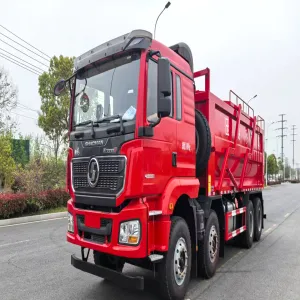
Sand Tank Truck
Category: Fracturing Equipment SeriesBrowse number: 100Number:Release time: 2026-09-16 05:44:34The fracturing sand tank truck is mainly used for transporting fracturing proppants during oilfield fracturing operations. It is equipped with a lifting and conveying device, with optional hydraulic flip‑cover. Chassis brands such as SHACMAN and SINOTRUK are available for selection.
News
Category:
No search results found!
Case
Category:
No search results found!
Video
Category:
No search results found!
Download
Category:
No search results found!
Job
Category:
No search results found!
Featured Products
No search results found!




 WhatsApp
 Phone
Phone