

 Español
 Pусский
 العربية
 中文
中文
Transportation Equipment
Certainly — here is a 500-word English description of Transportation Equipment, with no company names included:Transportation equipment refers to the wide range of machines, vehicles, and devices designed to move people, goods, and materials from one location to another. It is a vital part of modern society because it supports trade, travel, industry, and daily life. Without transportation equipment, global commerce, supply chains, public mobility, and emergency services would not function efficiently.The category of transportation equipment includes automobiles, trucks, buses, trains, aircraft, ships, bicycles, motorcycles, and specialized vehicles used in construction, agriculture, and logistics. It also covers supporting systems and components such as trailers, engines, wheels, brake systems, transmissions, steering mechanisms, and fuel or energy systems. In a broader sense, transportation equipment can also include infrastructure-related machinery such as railcars, airport ground support vehicles, and marine loading equipment.One of the most important functions of transportation equipment is enabling the movement of people. Cars, buses, trains, airplanes, and ferries allow individuals to commute to work, travel for business, attend school, and explore new places. Public transportation equipment, such as buses and subways, is especially important in urban areas because it reduces traffic congestion, lowers emissions per passenger, and offers affordable mobility.Transportation equipment is equally important for moving goods. Trucks, cargo ships, freight trains, and aircraft are used to transport raw materials, finished products, food, medicine, and industrial supplies across cities, countries, and continents. Efficient transportation equipment helps businesses reduce delivery times, lower costs, and maintain reliable supply chains. This is especially critical in sectors such as retail, manufacturing, agriculture, and healthcare.Technological innovation has greatly changed transportation equipment in recent years. Electric vehicles, hybrid systems, autonomous driving features, advanced navigation tools, and lightweight materials are transforming the industry. These innovations aim to improve fuel efficiency, safety, comfort, and environmental sustainability. For example, electric transportation equipment helps reduce dependence on fossil fuels and lowers greenhouse gas emissions. Smart sensors and digital control systems also improve performance and maintenance by identifying problems before they become serious.Safety is another major concern in the design and use of transportation equipment. Manufacturers and operators must follow strict standards to protect passengers, drivers, cargo, and pedestrians. Features such as airbags, anti-lock braking systems, collision avoidance technology, seat belts, and structural reinforcements are essential for reducing accidents and injuries.The transportation equipment industry is also a major economic sector. It creates jobs in engineering, manufacturing, logistics, maintenance, and infrastructure development. Governments and private organizations invest heavily in transportation equipment to improve connectivity, support economic growth, and meet the demands of expanding populations.In conclusion, transportation equipment plays a central role in modern life by connecting people, supporting business, and enabling the movement of goods across the world. As technology advances and environmental concerns increase, transportation equipment will continue to evolve toward safer, cleaner, and more efficient solutions.
Products
Category:
-
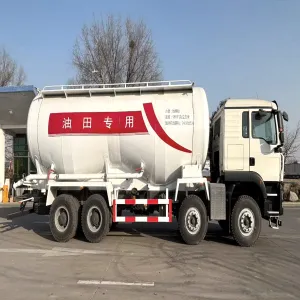
Cementing Cement Storage & Transportation Equipment
Category: Cementing Transport & Storage EquipmentBrowse number: 84Number:Release time: 2026-09-16 05:47:26Complete set of cementing cement storage‑and‑transportation equipment covering full‑range categories: storage, dust removal, chemical proportioning, pressure breaking & stabilization, short‑distance unloading and long‑distance transportation. Featuring sealed dust‑proof structure, pressure‑resistance and anti‑corrosion performance, as well as even discharging capacity, the equipment adapts to field oil‑well working conditions and realizes a closed‑loop system for dust‑free, efficient, safe and standardized storage and transportation of cementing cement materials.
News
Category:
No search results found!
Case
Category:
No search results found!
Video
Category:
No search results found!
Download
Category:
No search results found!
Job
Category:
No search results found!
Featured Products
No search results found!




 WhatsApp
 Phone
Phone